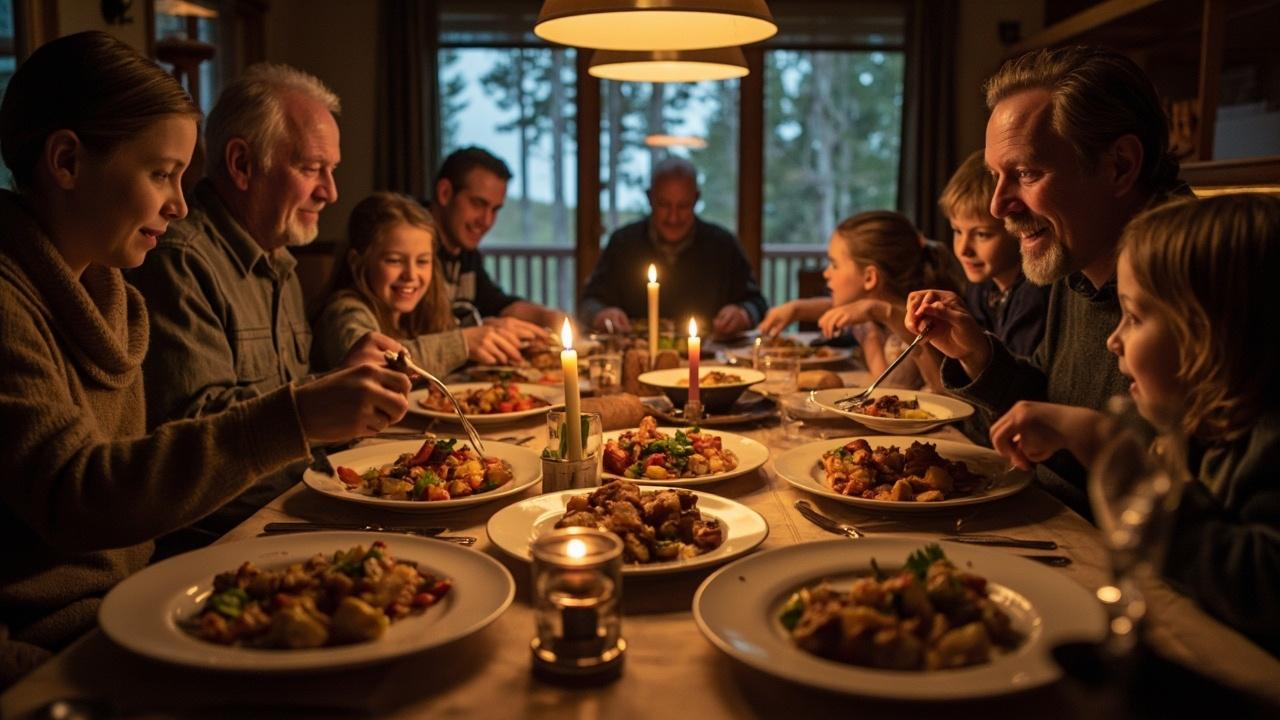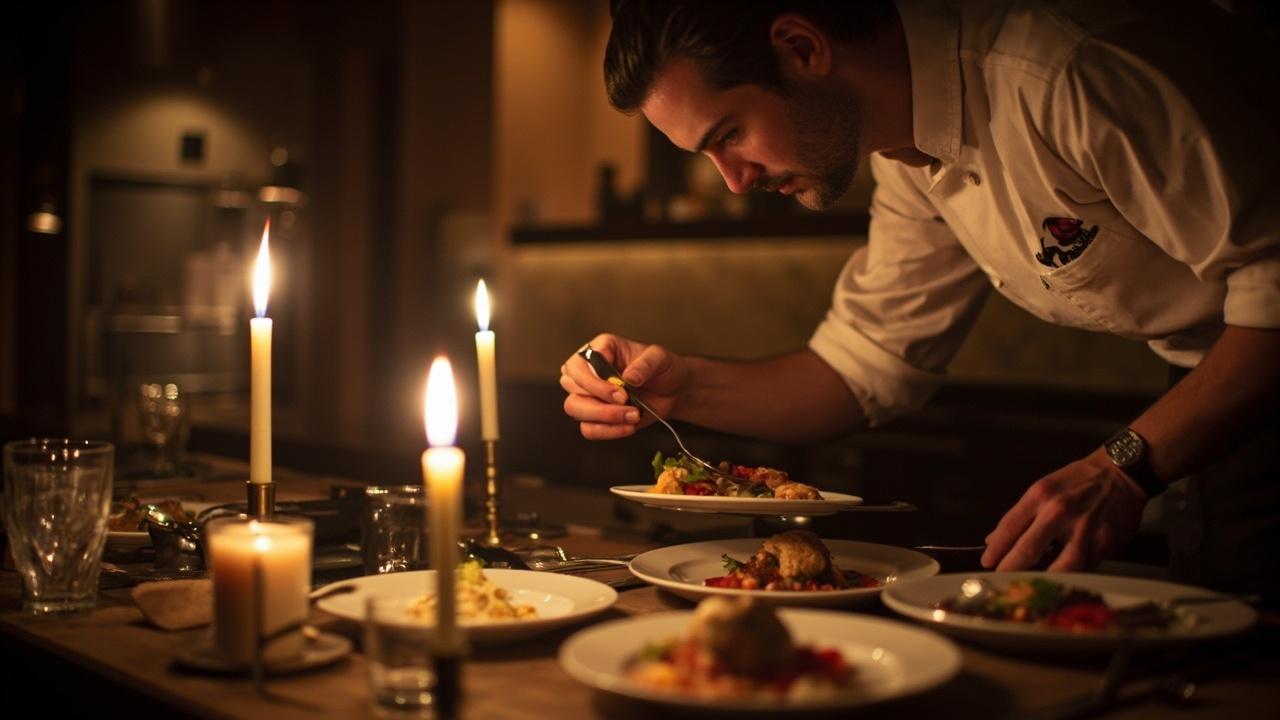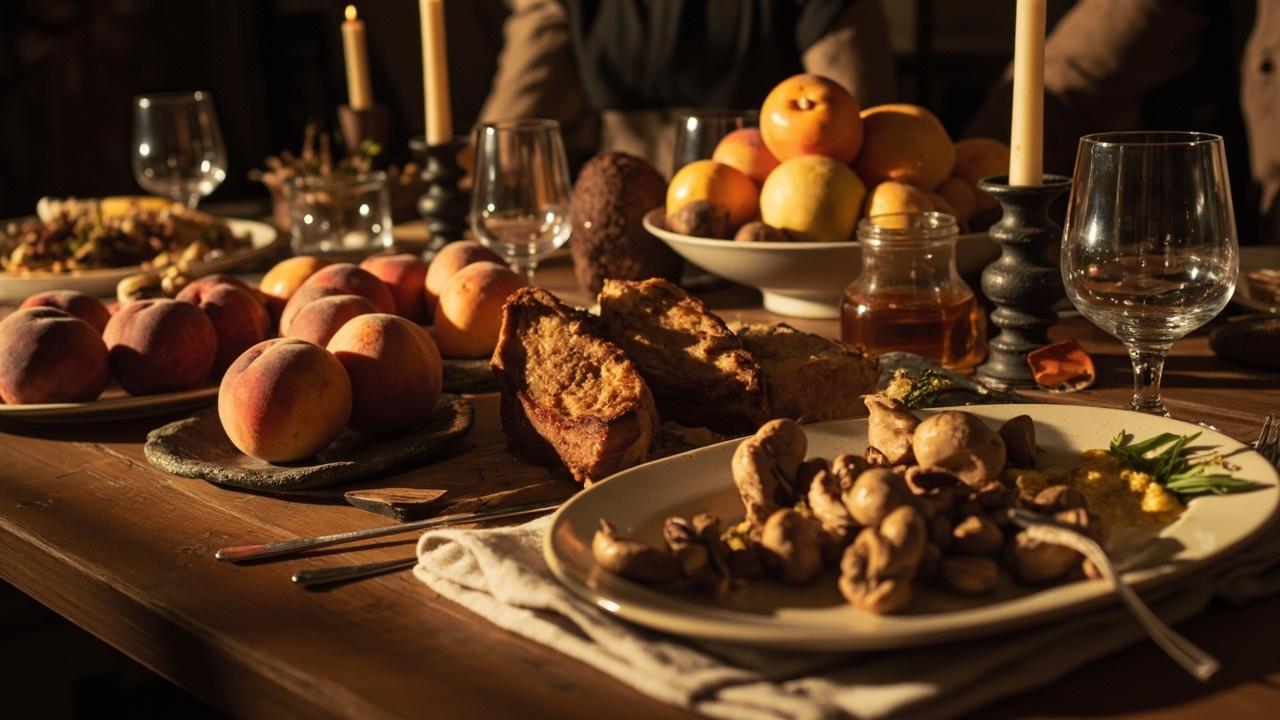
A rustic wood table in morning window light, covered in Colorado ingredients: Palisade peaches slightly bruised to show they're real, wild mushrooms, cuts of local lamb, and a jar of Colorado honey, while a chef's hand reaches for the lamb.
Colorado chefs build menus around Palisade peaches, Rocky Mountain lamb, Olathe sweet corn, foraged porcini mushrooms, and local honey because these ingredients taste like the place they're from. When you hire a private chef in Colorado, you're not just paying for cooking skill, you're buying access to a pantry most visitors never see and relationships with ranchers, foragers, and growers that take years to build.
Picture your group pulling up to the rental in Vail. Bags in the hallway, everyone starving, and the fridge is empty. Somebody volunteers to cook, and by seven o'clock that person is standing in a strange kitchen hunting for a sharp knife while everyone else is on the deck with a drink.
That's how hosting quietly becomes an unpaid restaurant shift. The real luxury of a mountain trip is being at the table, present and unhurried, not running the pass.
What Is the Grocery Store Vacation Trap?
The Grocery Store Vacation Trap is what happens when you land in Colorado and cook the same supermarket food you buy at home, often at resort town prices. You fly into Denver or drive up to Vail, unload, and realize there's nothing to eat. So you grab what's familiar.
Dinner tastes fine. But it doesn't taste like Colorado. You could be eating this meal in Ohio.
Three frictions keep the trap closed.
Timing and access. The Palisade peach window is six weeks. Chanterelles fruit after summer rain. If you don't know when and where, you miss it entirely, or you pay triple at Whole Foods for something flown in from California.
Vendor relationships. The rancher who raises lamb on alpine grass doesn't sell at Safeway. The woman with the morel spot isn't posting it on Instagram. Chefs spend years earning these phone numbers.
Prep knowledge. You buy a gorgeous hunk of Colorado lamb and realize you have no idea what temperature, what rub, or how long to rest it. Cooking unfamiliar proteins in an unfamiliar kitchen turns dinner into a science experiment with a $60 ingredient.
The Painful Reality: you travel to one of the most distinctive food regions in the country, and you spend your evening doing chores in a rental kitchen to produce a meal that tastes like anywhere.
How Can You Cook With Colorado Ingredients Yourself?
You can cook with Colorado ingredients yourself by shopping the harvest instead of a plan, keeping the menu small, and asking the people who grew the food how to cook it. 🍑 Here's the playbook for anyone who wants to stay behind the stove.
1. Ask locally, shop early.
Hit the farmers market the morning you arrive. Talk to the vendors and ask what's good this week. Buy based on harvest, not a recipe you planned at home.
The Result: flexibility wins you the best produce at the lowest price, and you eat what Colorado is eating right now.
2. Build one meal around one hero ingredient.
Don't try to source six local things. 🌽 Pick Olathe corn, grill it with butter and lime, and serve it family style with something simple.
The Result: the meal has a story, and you're not drowning in prep.
3. Ask the grower how to cook it before you pay.
The person selling you lamb, peaches, or mushrooms knows their product better than any recipe site. Ask what temperature, what seasoning, and how long to rest it, then write it on your phone before you leave the stall.
The Result: your expensive ingredient gets treated the way it deserves, and dinner stops feeling like an experiment.
Why Hire a Private Chef in Colorado to Cook With Local Ingredients?
Hiring a private chef in Colorado means the sourcing, the timing, and the cooking are already solved before you walk into the kitchen. A TheKitchenTable chef already has the rancher's number, knows which mushroom patch fruited last week, and can plate Palisade peach panzanella for your table in Breckenridge while you open the wine. 🍷
Here is what that looks like in practice.
Custom menus for every diet. Tell us who's coming and what they can't eat. The menu is built around your group, so nobody ends up with a sad side plate and nobody argues over the grocery list.
Local sourcing baked in. Your chef sources and executes the meal, drawing on the ranchers, foragers, and growers they've spent years getting to know. You get Rocky Mountain lamb, foraged porcini, Olathe corn, and Colorado honey, in season, without hunting for any of it.
A kitchen left cleaner than they found it. No sink of greasy pans waiting for you at ten o'clock. The evening ends with the table, not the dishes.
Browse 50+ Colorado chefs at tkteats.com/match-chef/details and book a dinner that tastes like the mountains. 🏔️